
STORIES
At Möels&Co, our commitment goes beyond selling products, we are a brand driven by a purpose to inspire and enrich the lives of our community. We invest considerable effort in curating meaningful content that resonates with our customers and followers and we invite you to embark on a journey of inspiration and discovery through our stories. Each month, we publish a collection of thought-provoking articles that delve into the realms of art, culture, design, photography and beyond. These articles are meticulously selected to ignite your imagination, broaden your horizons, and provide a unique perspective on the world we live in.
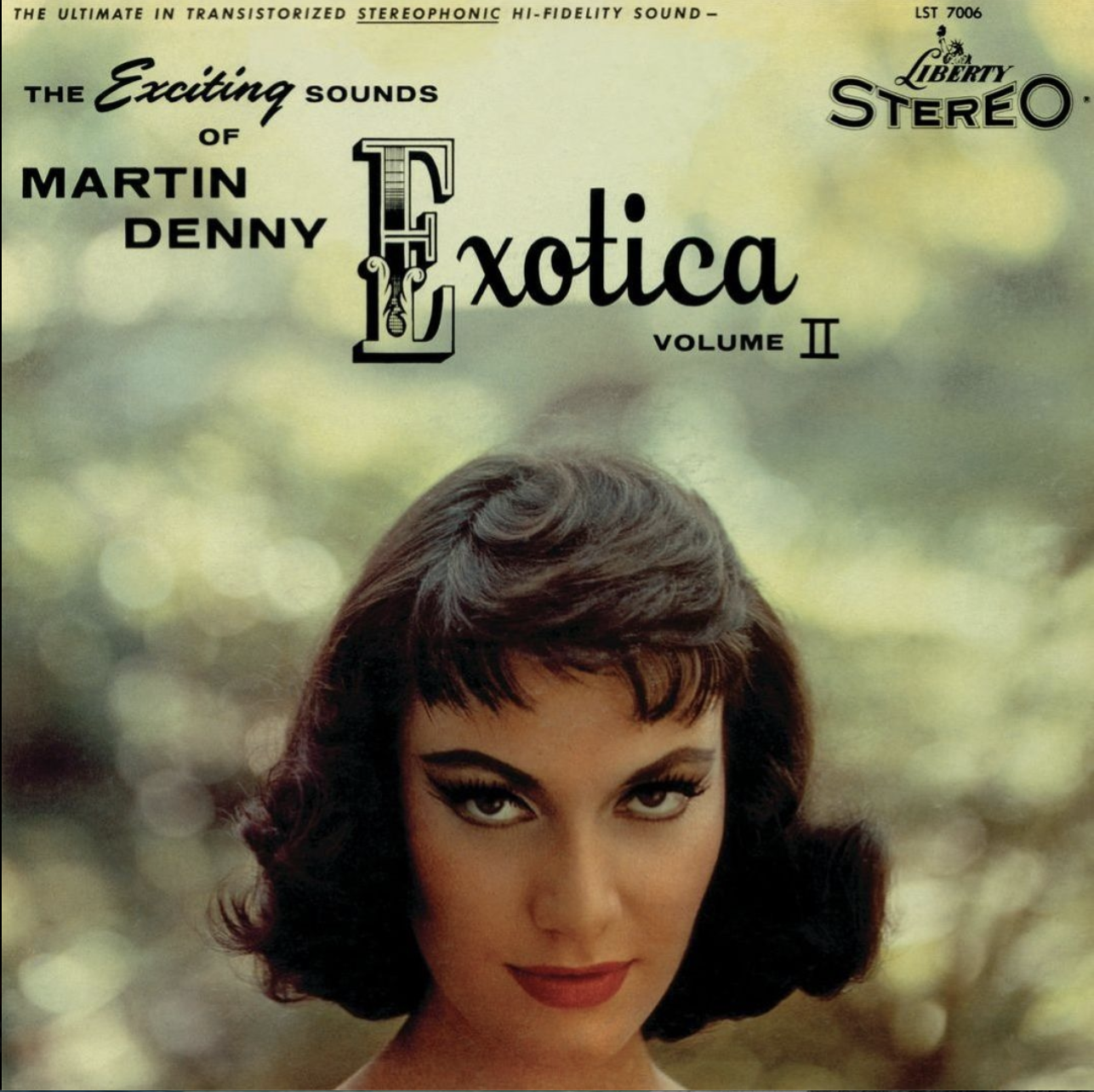
MARTIN DENNY: THE FATHER OF EXOTICA
Martin Denny was an American pianist, composer and arranger best known as the father of Exotica music, a genre that blended jazz with tropical sounds, unusual percussion and imagined island atmospheres. Rising to fame in the 1950s, he helped shape the sound of mid-century escapism and tiki culture. His influence can still be heard today in lounge music, ambient sound design and contemporary artists exploring retro and cinematic tropical styles.
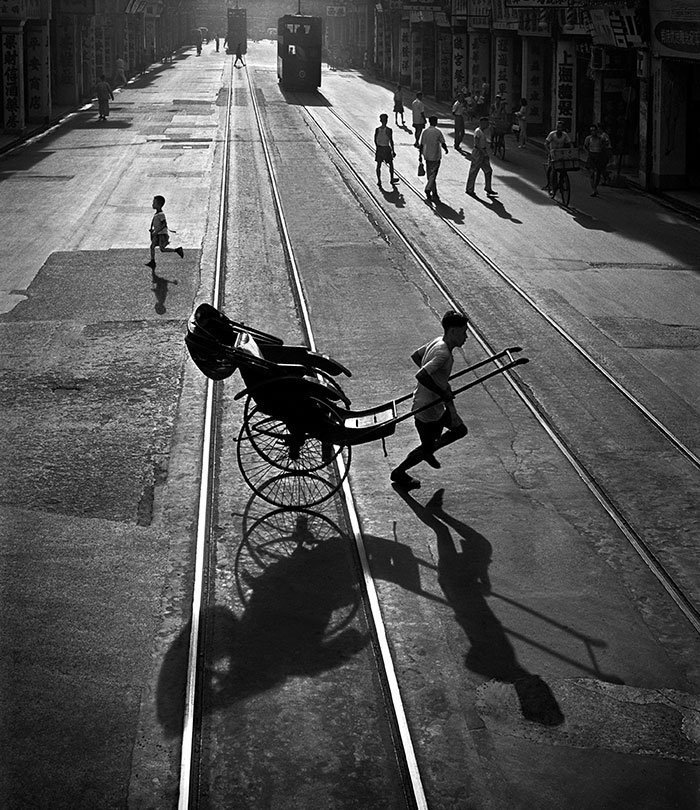
FAN HO: THE MASTER OF LIGHT AND SHADOW
Fan Ho was a Hong Kong photographer known for his poetic black-and-white street photography. He used dramatic light, deep shadows, and strong geometry to transform everyday scenes into visual theatre. His images feel cinematic, often isolating lone figures within vast urban spaces. Fan Ho’s mastery of mood, composition, and light has secured his place as one of the most important street photographers of the 20th century, with an influence that continues to resonate in contemporary street and fine-art photography.
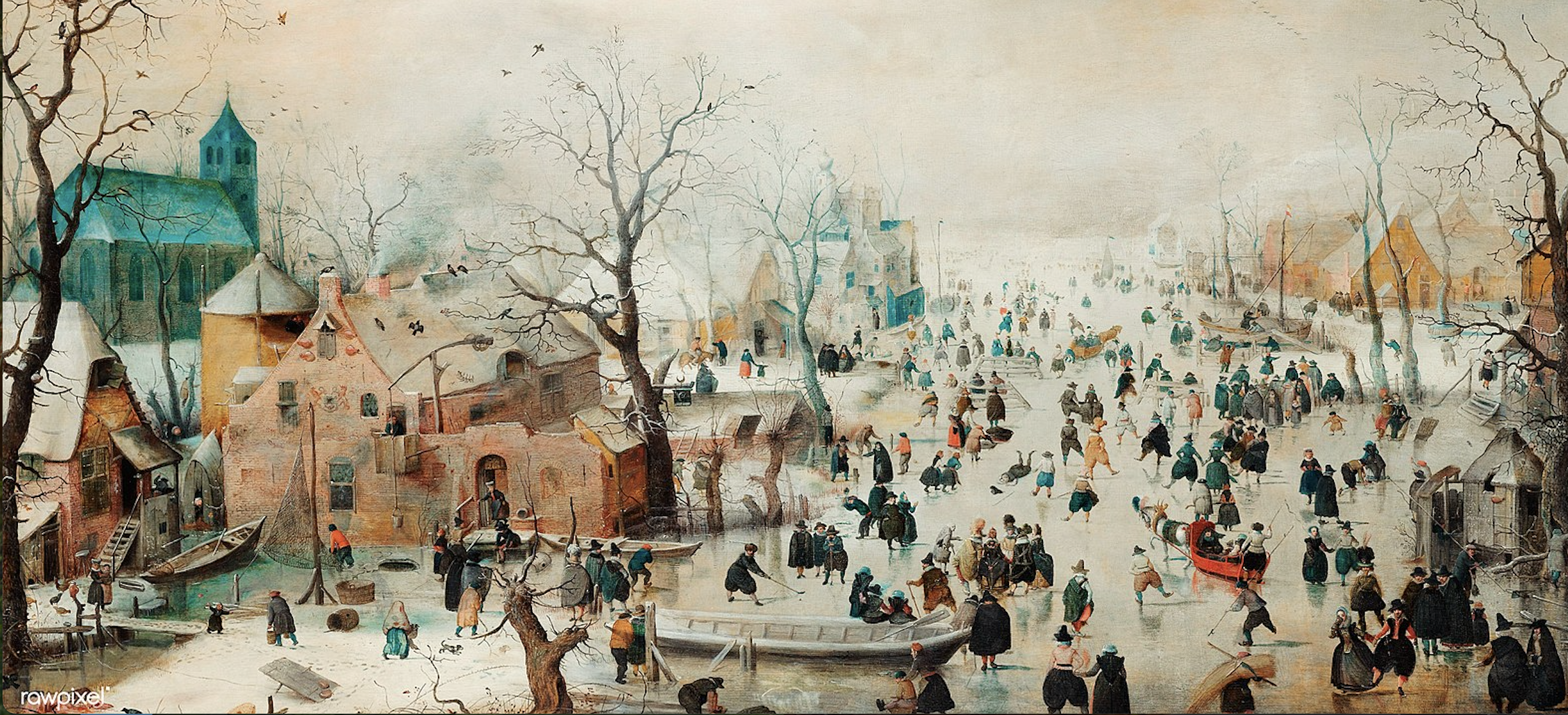
CHRISTMAS: A STORY MUCH OLDER THAN YOU THINK
Christmas is a universal human response to winter that far predates its religious origins. Originally a survival ritual marking the return of light after the winter solstice, it evolved into a cultural mosaic that absorbed Roman festivals, pagan symbols, and modern marketing. Ultimately, the holiday persists because it fulfills a deep psychological need for warmth, community, and hope during the darkest time of the year.
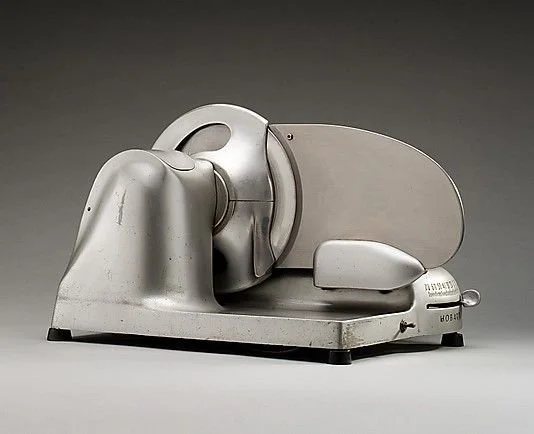
Streamline Moderne: THE EVOLUTION OF ART DECO
Streamline Moderne, an evolution of Art Deco from the 1930s, embraced sleek, aerodynamic forms inspired by modern transport, industrial design, and the machine age. Characterised by smooth curves, horizontal lines, and minimal ornamentation, it reflected a shift towards function and efficiency. Its influence can still be seen in contemporary architecture, product design, and fashion, where clean lines and fluid forms remain central to modern aesthetics.
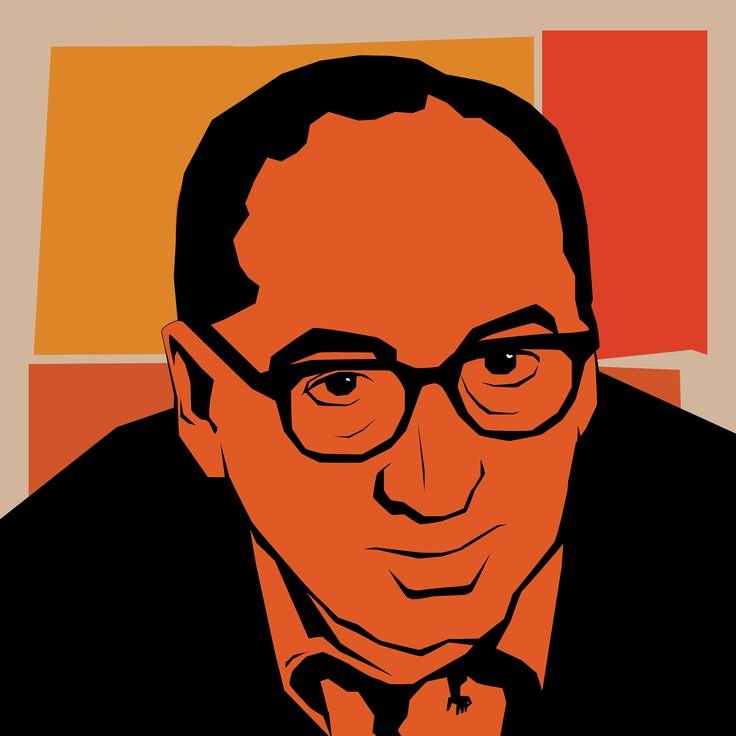
Saul Bass: The man who changed graphic design in film
Saul Bass was a graphic designer and filmmaker, perhaps best known for his design of film posters and title sequences. During his 40-year career Bass worked for some of Hollywood's greatest filmmakers, including Alfred Hitchcock, Stanley Kubrick, Otto Preminger, Billy Wilder, and Martin Scorsese. He became well-known in the film industry after creating the title sequence for Otto Preminger's 'The Man with the Golden Arm' in 1955. For Alfred Hitchcock, Bass designed effective and memorable title sequences, inventing a new type of kinetic typography, for 'North by Northwest', 'Vertigo', and 'Psycho'.

Marcel Breuer: From Bauhaus Visionary to Furniture Design Icon
Hungarian-born Marcel Breuer was one of the most imaginative and influential designers and architects of the 20th century. He studied and then taught at the Bauhaus School, revolutionizing fine arts, craft, and industrial design. He was a relentless innovator and in 1925, he came up with his infamous tubular steel furniture, inspired by bicycle frames and made with the latest in steel-bending technology.
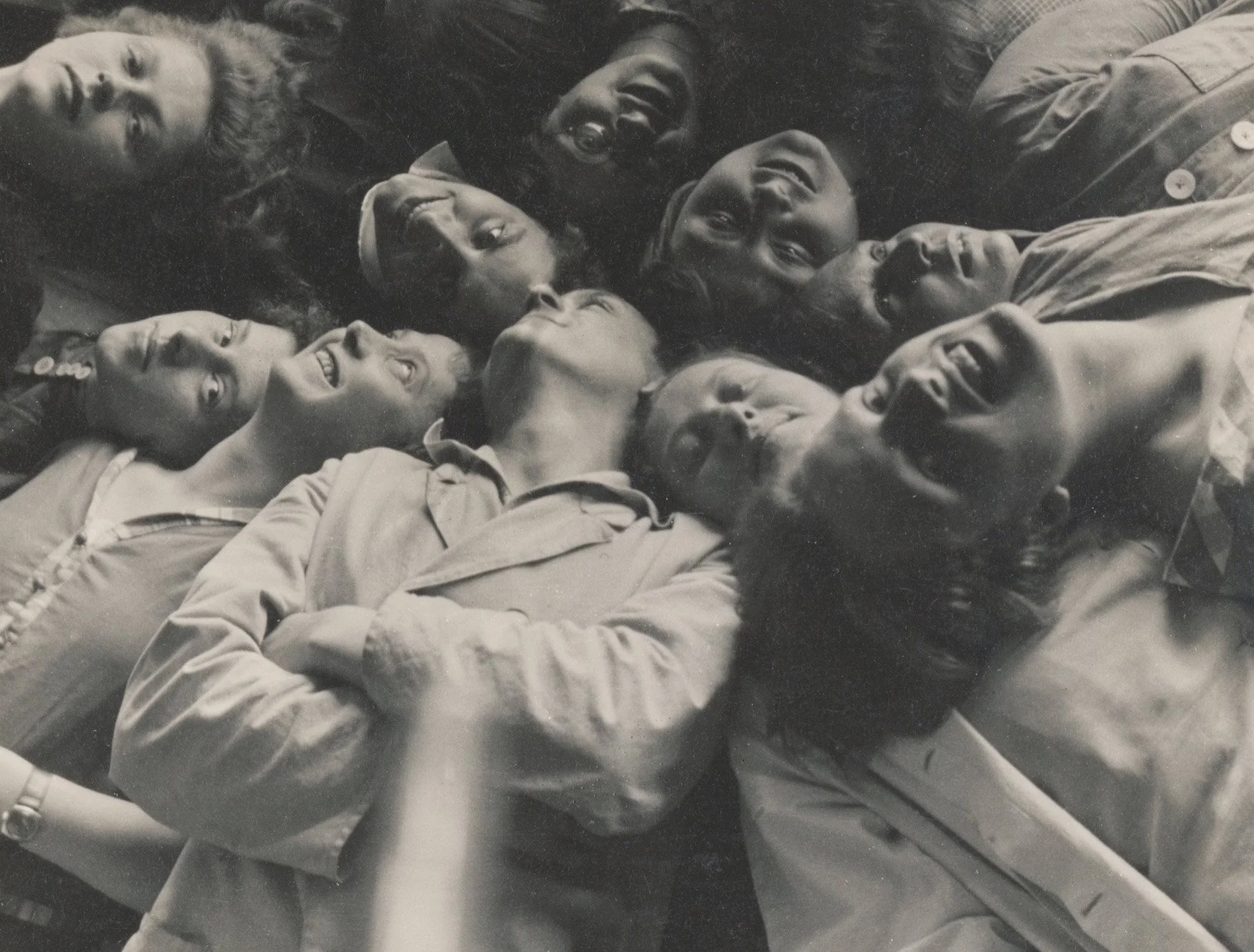
THE OVERLOOKED WOMEN OF BAUHAUS
The Bauhaus movement is often associated with iconic male figures like Walter Gropius and Ludwig Mies van der Rohe, but many talented women played a crucial role in shaping its legacy. Despite facing systemic barriers and being pushed into disciplines like weaving rather than architecture or industrial design, artists like Anni Albers, Gunta Stölzl, and Marianne Brandt made groundbreaking contributions. Their innovative work in textiles, metalwork, and photography helped define the Bauhaus aesthetic, yet their recognition remained limited for decades. Only in recent years have these forgotten women begun to receive the credit they deserve for their influence on modern design.

Man Ray: The Iconoclast of Experimental Art
Man Ray was a pioneering artist and photographer whose innovative works bridged the worlds of Surrealism and Dada. Known for his experimental approach, he redefined photography with his "rayographs" and striking portraits while also excelling in painting, sculpture, and film. Known for documenting the cultural elite in France, Man Ray consistently challenged the formal constraints of the visual arts, and his provocative and innovative work continues to inspire and engage audiences today.